Kenya conservancy versus national reserve is one of the first decisions you will make for a safari. The two options sit side by side in the Maasai Mara ecosystem, yet they produce different experiences.
Neither choice is wrong. The right one depends on how much you value privacy, what activities you want, and how flexible your Kenya safari cost needs to be. This guide explains the difference, shows what each option costs, and gives you three clear ways to choose.
Kenya Conservancy Versus National Reserve: What’s the Difference?
A Kenya conservancy is usually community- or privately owned land managed for conservation and low-density tourism. A national reserve is publicly accessible protected land managed by a county authority. Conservancy access is normally limited to partner-camp guests. Reserves accept any permitted visitor and generally offer more operator and accommodation choices.
Start with the Maasai Mara National Reserve. It is run by Narok County Government, not by Kenya Wildlife Service. The reserve is open to anyone who pays the entry fee and enters through a gate.
The Greater Mara’s private conservancies follow a different model. Land in Naboisho, Mara North, and Olare Motorogi is owned by Maasai communities and leased by tourism partners. Visitors access it by staying at an approved camp.
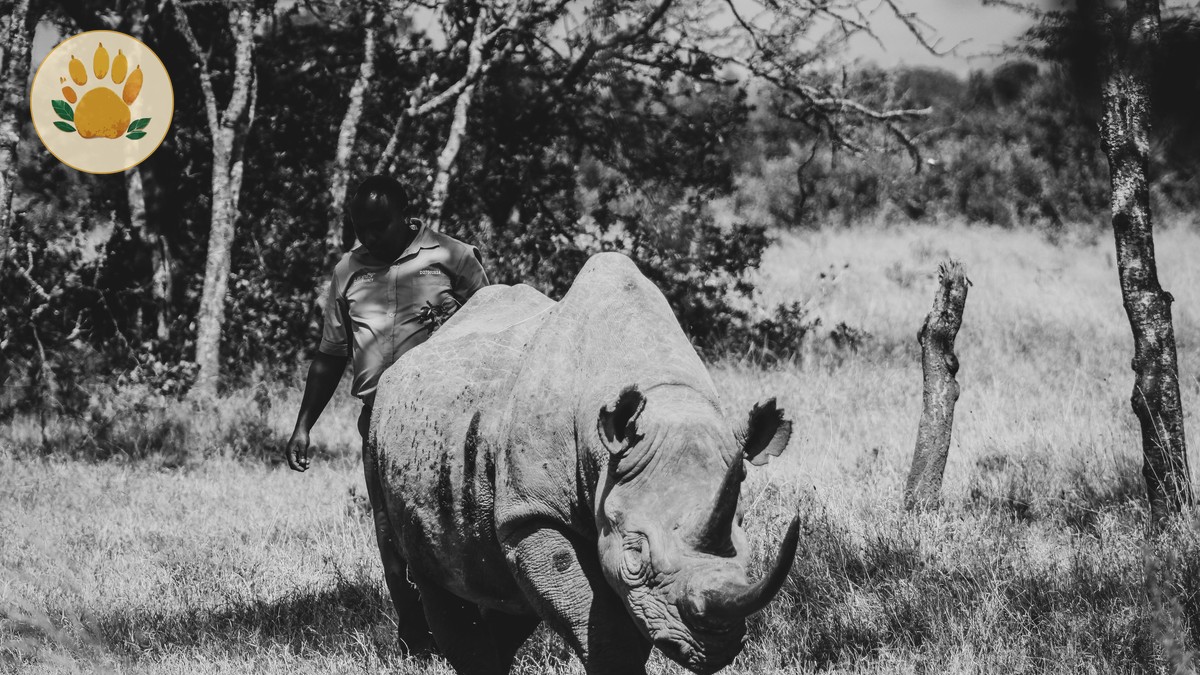
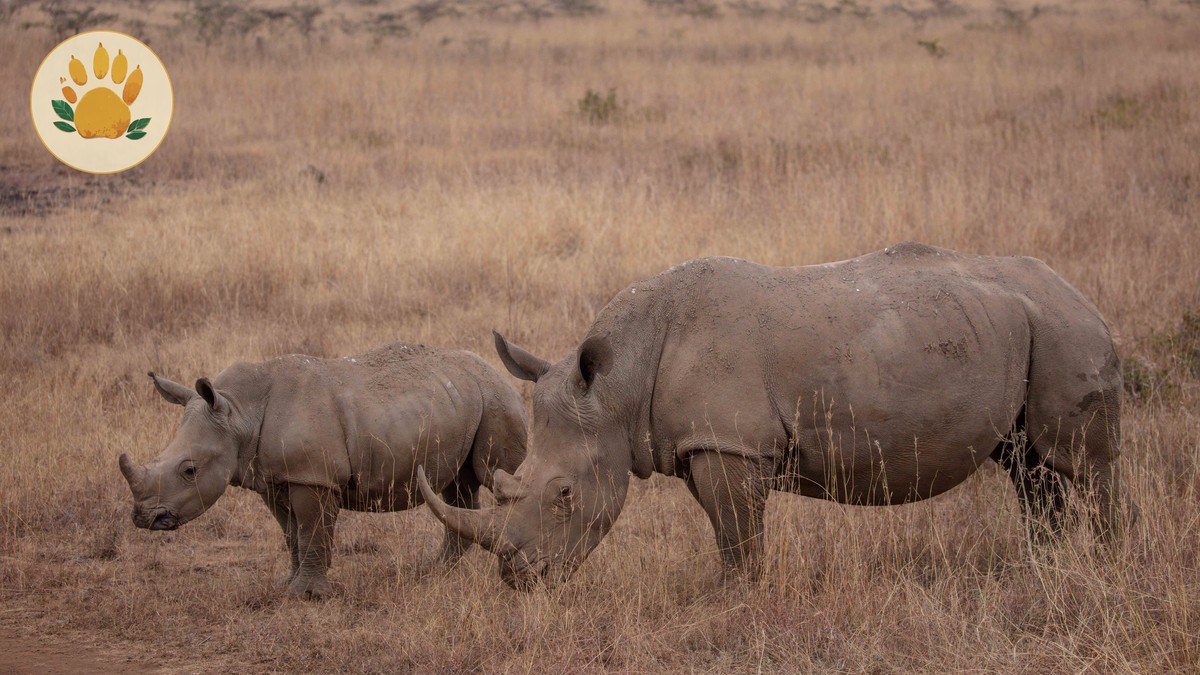
This is the standard pattern for private conservancies in Kenya. The same model appears in northern Kenya at Ol Pejeta and Lewa, where protected land supports rhino conservation.
Wildlife, Vehicle Numbers, and Crowd Levels
Conservancies usually deliver quieter sightings because management caps vehicles and guest numbers. National reserves can produce spectacular wildlife viewing, especially during the Great Migration, but popular sightings may attract many vehicles because access is open. Vehicle limits are less restrictive.
In the Maasai Mara National Reserve, the big migration spectacle comes with trade-offs. From about July through October, herds cross the Mara and Talek rivers. During peak season, you may share a leopard sighting or a lion pride with several vehicles. At a river crossing, expect more cars.
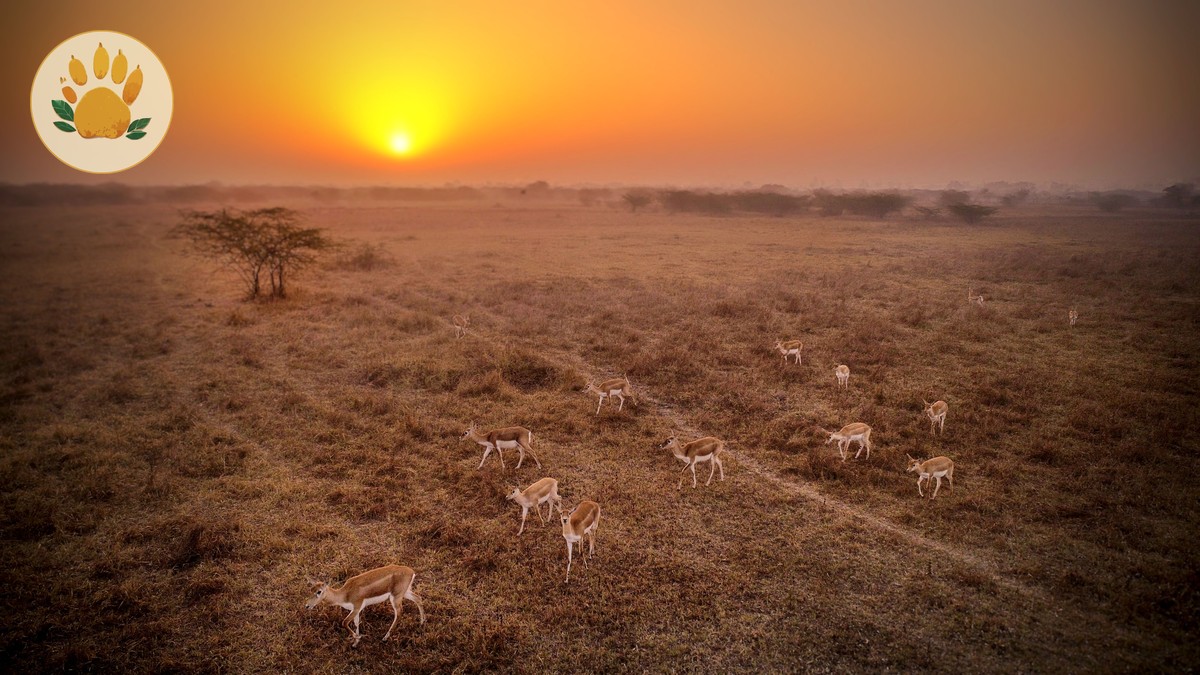
In Naboisho or Mara North, the scene is calmer. Camps coordinate with their guides to keep the number of vehicles low at any sighting. You may spend time alone with a cheetah mother, or watch lions at dawn without engine noise. Wildlife is never guaranteed, but the experience is usually more patient.
Activities and Safari Rules
Conservancies commonly allow guided night drives, controlled off-road driving, walking safaris, bush breakfasts, and sundowners. National reserves generally limit visitors to daytime drives on designated tracks. Night driving, walking, and off-road driving are prohibited or tightly restricted. Rules vary by location, so confirm activities with the specific camp before booking.
Inside the Mara reserve, your day usually runs from early morning to evening. Drivers stay on established roads, and night driving is off the table. Off-road driving in Kenya is very limited inside such public reserves.
In a conservancy, rules are different. Approved camp guides can drive off-road to follow a predator, as long as they respect the grass and do not disturb the animal. Guided night drives in Kenya are a common feature in conservancies. Some conservancies also allow bush breakfasts and a proper walking safari on foot with an armed guide.
Cost, Access, and Accommodation Choices
A national reserve usually offers the widest range of prices because visitors can choose from budget camps, mid-range lodges, and luxury properties near or inside the reserve. Conservancy rates are commonly higher. Many conservancy stays run around $500 to $1,800 per person per night because fees and activities are bundled into the price.
Current entrance fees are easy to check. Maasai Mara National Reserve charges USD 100 per adult per day for non-residents from January to June. From July to December, it charges USD 200 per adult per day. That covers access only. Your accommodation, guide, transport, and meals are separate.
In Naboisho and Mara North, access is bundled into camp rates. The conservancy element is roughly USD 80 to USD 150 per person per night, and your camp uses that money for community payments and conservation. Most published camp rates in these conservancies fall in the broader $500 to $1,800 range.
| Comparison | Maasai Mara National Reserve | Naboisho or Mara North Conservancy |
|---|---|---|
| Type of land | County-run reserve | Community or private land leased for conservation |
| Access | Any visitor with an entry ticket | Usually guests at partner camps only |
| Non-resident adult access fee | USD 100 Jan-Jun; USD 200 Jul-Dec | Around USD 80-150 per person per night, included in lodge rate |
| Night drives | Usually not allowed | Allowed by approved camp guides |
| Off-road rules | Restricted to established tracks | Controlled off-road allowed for sightings |
| Typical full stay cost | Budget to luxury choices | Usually USD 500-1,800 per person per night |
This public versus private pattern repeats outside the Mara. At Ol Pejeta and Lewa, you stay inside a conservancy and pay one rate that covers conservation. Check current Ol Pejeta Conservancy fees before building your budget. For a quick comparison, read our Ol Pejeta versus Lewa guide. Northern Kenya conservancy safari costs follow the same bundled model.
Which Option Is Better for Different Travelers?
Choose a national reserve for lower-cost flexibility, easy public access, and major events such as Mara river crossings. Choose a conservancy for fewer vehicles, more exclusive guiding, night drives, walking, and a quieter atmosphere. Many travellers get the best balance by combining reserve game drives with two or three nights in a nearby conservancy.
For a first safari, that hybrid idea is usually the strongest starting point. Use this simple checklist to decide.
- Choose the Maasai Mara National Reserve if your time is short, your budget is tighter, or you have one specific goal: watching wildebeest cross the Mara River. You get broad access, more accommodation choice, and the highest energy version of the migration.
- Choose a conservancy such as Naboisho, Mara North, or Olare Motorogi if you want the calm version of the Mara. You gain better vehicle rules, richer guiding, night drives, and walking opportunities. You trade some migration convenience for privacy and a slower pace.
- Choose a split itinerary if you have roughly five or six safari days. Spend two or three nights at a reserve camp and two or three in a conservancy. You get the spectacle and the solitude in one trip.
Your Next Step: Choose a Route and Test It Against Your Dates
Pick one route and test it against your travel month. Contact SafariPure through our contact page with your dates, your budget range, and how many nights you can spend in Kenya. We will recommend a reserve, a conservancy, or a split based on what is happening in the Mara that season.
SafariPure runs small-group and private safaris with guides who know both systems from the ground. We will not sell you a conservancy upgrade you do not need. Start with one clear question: where do you want your first safari morning to begin?